
Loyalty, Oaths and Conspiracy: The Moral Heart of The Blond Wolf
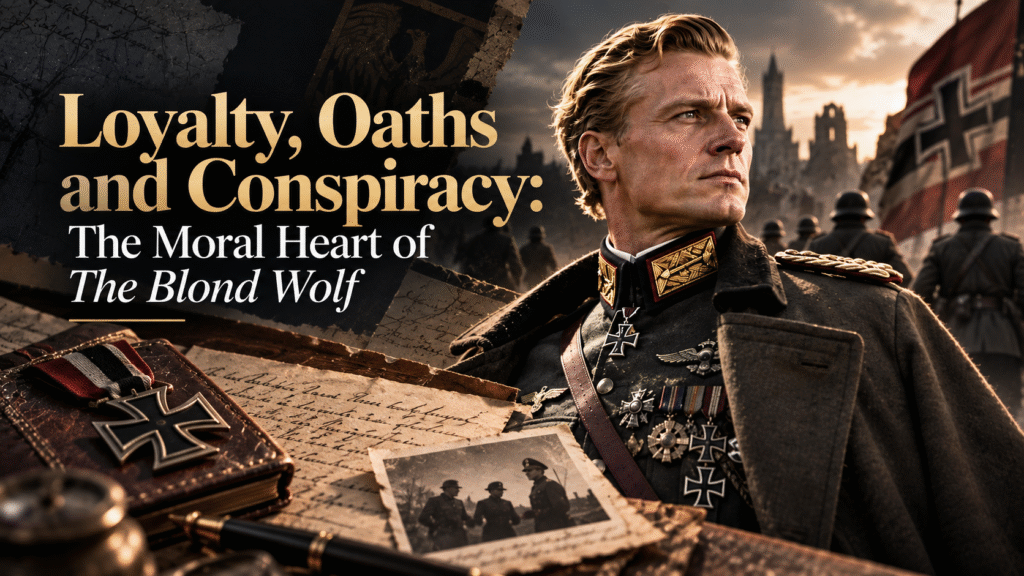
At first glance, The Blond Wolf is a conspiracy thriller. After the catastrophic defeat at Stalingrad, a small group of military officers and Armaments Ministry officials plots to assassinate Adolf Hitler. But the questions that linger after the final page are moral ones.
The conspirators are not heroes in the usual sense. They do not want to end the war. They believe Germany can still win, and they plan to blame the assassination on the Soviets and install a new Führer who will let the generals run the war without political interference. For General Hesch, joining them means breaking an oath of loyalty to the man he once revered as Germany’s savior. Hauss lets that decision carry real weight, showing a man torn between duty, ambition and conscience.
The plan also raises uncomfortable questions about who should rule Germany next. The conspirators do more than plot an assassination; they weigh which kind of leader could take Hitler’s place, and the answers they reach reveal just as much about their own ambitions as about the country’s future.
The novel also reminds readers what the regime meant for ordinary people. Scenes in occupied Warsaw show the Polish Home Army operating in the shadows and civilians surviving under the watch of the Gestapo, a sharp contrast to the tidy command posts where the plotters meet.
Hauss is upfront about the book’s darker material. A note at the front explains that the novel depicts wartime atrocities and life under Nazi occupation, presented for historical and psychological authenticity rather than sensation.
That honesty gives the story its force. The Blond Wolf asks what loyalty means when the man you serve is leading your country toward ruin, and it offers no easy answers. Readers who enjoy morally complex historical fiction will find plenty to think about.